
Summerlin Centre Community Park and the Summerlin Festival of Arts
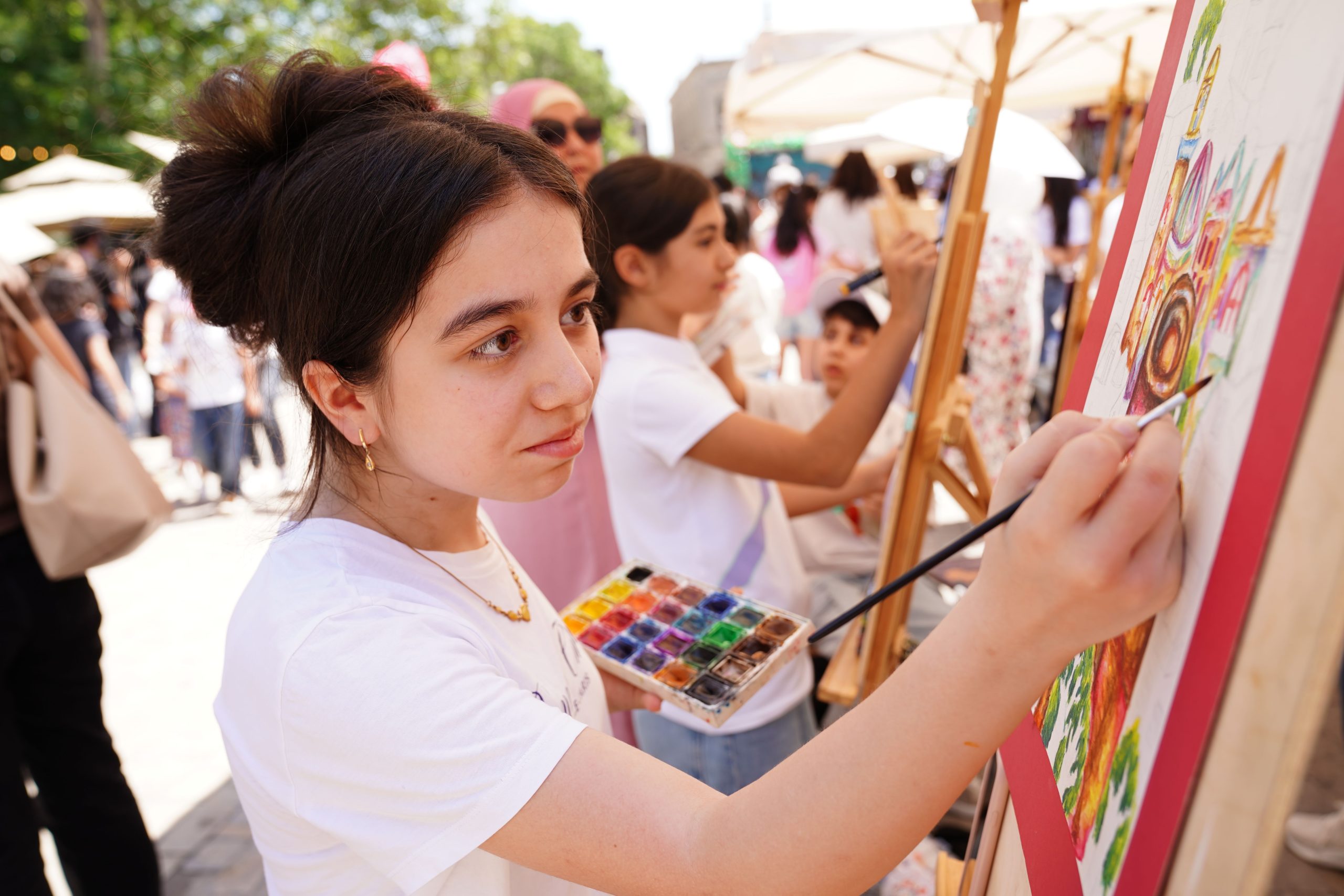
Many people in the region assume that large-scale community events and local outdoor spaces exist independently, serving different purposes for residents. The common view is that a park is simply a place for quiet recreation, while a festival is an occasional, separate occurrence that temporarily occupies a space. In reality, the relationship between these shared environments and the cultural programs they host is far more integrated. For many, these spaces serve as the anchor for a deeper sense of community connection, providing a consistent venue for recurring gatherings that define the rhythm of local life.
Understanding the Role of Shared Outdoor Environments
When considering the value of a space like Summerlin Centre Community Park, it is helpful to look beyond the basic features. While the walking paths, open grass areas, and facilities are often what draw individuals during a typical weekday, the true utility of these areas often becomes apparent during organized gatherings. These parks are designed to handle variable levels of foot traffic and provide a neutral ground where diverse groups can congregate comfortably.
The design of such spaces generally accounts for the logistics required to host events. This includes considerations for accessibility, pedestrian flow, and the integration of infrastructure that supports temporary structures. When a space is intentionally planned with public programming in mind, it tends to remain adaptable throughout the changing seasons. The successful use of these parks often hinges on how well the environment facilitates social interaction without feeling overcrowded or overly restrictive.
The Cultural Significance of Regular Community Gatherings
Events like the Summerlin Festival of Arts highlight how an outdoor space can transform into a temporary hub for regional commerce and creative expression. These festivals typically feature a variety of local creators, providing a platform for those who produce handmade goods, art, and artisanal items. For attendees, the value lies in the ability to engage directly with the people who create these works. This personal interaction often changes how a visitor perceives the items they find, turning a simple purchase into a conversation about craft, technique, and local inspiration.
From a broader perspective, these recurring gatherings perform a function that goes beyond the exchange of goods. They provide a predictable touchstone in the local calendar. When a community can rely on a specific venue for consistent seasonal experiences, it tends to foster a sense of continuity. Residents often look forward to these events as a reliable way to experience culture, support local creators, and maintain connections with neighbors, even in a fast-paced environment where schedules are often fragmented.
How to Navigate and Experience Local Events Effectively
For those who attend events at these locations, the experience is often enhanced by a bit of advance planning. Popular gatherings tend to attract high attendance, meaning that logistics—such as parking, timing, and navigation—often require a mindful approach. Many regular attendees find that visiting earlier in the day or during off-peak hours allows for a more relaxed experience, providing better access to vendor booths and a calmer environment for appreciating the art on display.
It is also useful to consider how these events impact the surrounding area. When planning a visit, look for information regarding designated transit points, walking routes, and the general layout of the event grounds. Most organizers are intentional about creating maps and guides that help attendees move through the space efficiently. Asking questions about the best ways to access the park or how to navigate the festival grounds can often reveal helpful tips that remain consistent across multiple years.
Rethinking the Value of Civic Spaces
The perception of public land often shifts once a resident begins to see it as a functional component of their own social and cultural life. Instead of viewing Summerlin Centre Community Park as merely a patch of grass or a series of trails, it can be viewed as an essential piece of community infrastructure that enables the Summerlin Festival of Arts to exist in the first place. Without these dedicated, well-maintained spaces, the logistical burden of hosting public art events would be significantly higher, likely reducing the frequency and accessibility of such programs.
This symbiosis encourages a form of civic stewardship. When residents recognize that the space hosting their favorite seasonal event is the same space they use for morning walks, they often develop a stronger interest in its maintenance and long-term care. It is a mutually reinforcing cycle: the events draw people to the park, and the park provides the necessary foundation for the events to thrive.
Ultimately, the most meaningful experiences in a community often happen in the places we tend to take for granted. By recognizing that outdoor venues serve as the stage for the stories and connections that define our local experience, we can better appreciate the work that goes into managing these spaces. Whether you are browsing a booth at a local festival or simply enjoying the quiet of a community space on a standard afternoon, you are participating in a larger pattern of shared experience that keeps a community grounded and interconnected. The next time you visit a public space, consider the various ways it supports not just your own recreation, but the collective cultural life of everyone who calls the area home.