
How Altitude Gain Feels Inside Annapurna Sanctuary Glacier Basin Trek
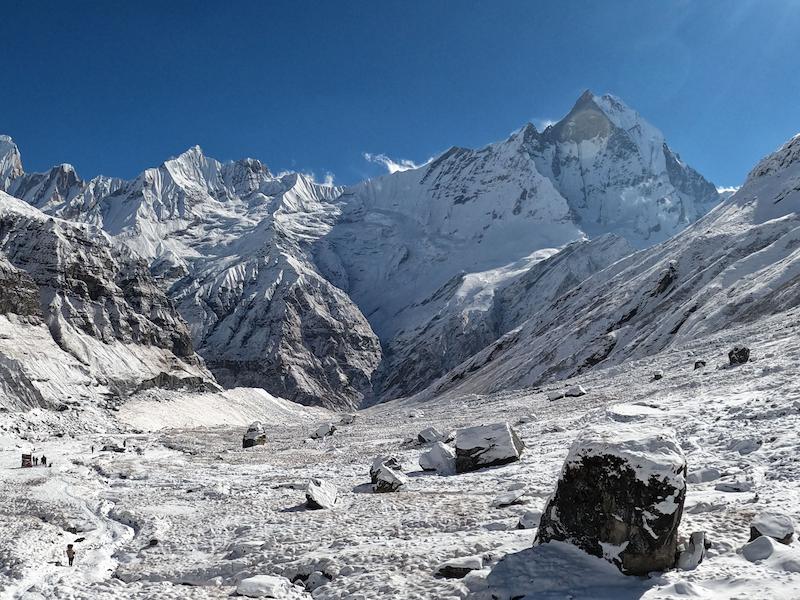
The Annapurna Sanctuary Trek is a remarkable Himalayan journey that gradually leads trekkers into a high mountain amphitheater surrounded by some of the world’s most impressive peaks. As the route enters the Annapurna Sanctuary glacier basin, altitude gain becomes more noticeable because the landscape rises quickly from green valleys to an alpine environment above 4,000 meters. Understanding how altitude feels during this stage helps trekkers prepare physically and mentally for the changing conditions. The increasing elevation affects breathing, walking pace, energy levels, and recovery time. Proper acclimatization and steady trekking are essential for enjoying the dramatic beauty of the Annapurna Base Camp region safely.
Lower Trail Sections and Early Altitude Adaptation
The beginning sections of the Annapurna Base Camp Trek usually feel comfortable because they remain at lower elevations with higher oxygen availability. Trekkers move through villages, forests, rivers, and terraced landscapes where walking feels similar to normal mountain hiking. During these stages, the body focuses mainly on adjusting to long trekking days rather than altitude stress. However, this early progression is important because it builds endurance before reaching higher sections. Maintaining a controlled pace from the beginning helps conserve energy and prepares the body for the increasing elevation ahead.
Gradual Elevation Increase Through Chhomrong Region
As trekkers move beyond Chhomrong toward the Annapurna Sanctuary, the altitude gain begins to feel more noticeable. The trail includes repeated uphill and downhill sections that can create physical fatigue even before reaching high elevations. Breathing may become slightly heavier, especially during steep climbs, because the body is beginning to adjust to reduced oxygen levels. This stage requires patience because rushing can increase exhaustion before entering the more demanding mountain environment. A steady walking rhythm, regular hydration, and proper rest help trekkers adapt comfortably while continuing toward higher destinations.
Entering Bamboo and Deeper Sanctuary Landscapes
The sections around Bamboo, Dovan, and Himal represent an important transition point on the Annapurna Base Camp Trek. The route becomes narrower, more enclosed by mountains, and gradually moves toward higher elevations. Trekkers often notice that familiar walking speeds become slower as altitude increases. Simple activities such as climbing stairs, carrying a backpack, or walking uphill may require more effort than expected. This change is normal at higher elevations because the body receives less oxygen. Managing expectations and maintaining a relaxed pace helps reduce physical strain during this stage.
Altitude Experience Near Machhapuchhre Base Camp
Machhapuchhre Base Camp, located at approximately 3,700 meters, is where many trekkers begin feeling the true effects of high-altitude conditions. The surrounding landscape becomes more open, colder, and dramatically different from lower forest areas. Breathing may feel heavier, and walking uphill can require frequent breaks. Many trekkers experience increased fatigue because the body is working harder to maintain energy levels. Spending enough time at this elevation allows better adjustment before continuing toward Annapurna Base Camp. The slower pace at this stage helps improve comfort during the final approach.
Reaching Annapurna Base Camp Glacier Basin
The final approach into the Annapurna Sanctuary glacier basin brings trekkers to approximately 4,130 meters, where altitude becomes a major part of the experience. The air feels thinner, movements become slower, and even short climbs may require more effort. However, the incredible surroundings often create a strong sense of achievement as trekkers enter the natural amphitheater surrounded by Annapurna I, Machhapuchhre, Hiunchuli, and other Himalayan peaks. The physical challenge becomes balanced by the breathtaking environment. Reaching Annapurna Base Camp is not only a destination but also an experience of adapting to the high mountain landscape.
How Altitude Affects Energy and Walking Speed
Altitude gain inside the Annapurna Sanctuary changes how the body uses energy during trekking. At higher elevations, muscles receive less oxygen, which can make normal walking feel more demanding. Trekkers often reduce their speed naturally and take more frequent breaks compared with lower sections. The key is accepting this slower rhythm rather than trying to maintain the same pace throughout the journey. Eating enough food, drinking sufficient water, and getting proper rest help support energy levels. Understanding these changes allows trekkers to enjoy the route without unnecessary pressure.
Managing Altitude Comfort During Sanctuary Trek
Proper altitude management plays an important role in completing the Annapurna Base Camp Trek successfully. Although the elevation is lower than some extreme Himalayan routes, the rapid transition into the glacier basin still requires awareness. Gradual ascent, comfortable walking speed, and listening to physical signals are essential. Trekkers should avoid unnecessary exhaustion and allow enough recovery time after reaching higher camps. Good preparation before the trek, including cardiovascular training and hiking practice, improves overall endurance. A careful approach allows travelers to experience the Annapurna Sanctuary safely and comfortably.
Weather and Environmental Effects at High Elevation
Altitude gain inside the ABC is influenced not only by elevation but also by changing weather conditions. Temperatures drop significantly as trekkers approach Annapurna Base Camp, and strong winds or cloud changes can make conditions feel colder. The glacier basin environment creates a dramatic contrast compared with the warmer valleys below. Proper clothing layers, sun protection, and cold-weather preparation become increasingly important. Weather awareness helps trekkers manage the physical effects of altitude more effectively while enjoying the incredible mountain surroundings.
Final Thoughts on Altitude Gain Inside Annapurna Sanctuary
The altitude gain inside the Annapurna Sanctuary glacier basin creates a gradual transformation from comfortable valley trekking to a true Himalayan high-altitude experience. Each stage introduces new physical sensations, from slightly heavier breathing to slower movement near Annapurna Base Camp. Understanding these changes helps trekkers prepare better and approach the journey with realistic expectations. With proper pacing, acclimatization, hydration, and preparation, the Annapurna Sanctuary Trek becomes an unforgettable adventure filled with dramatic landscapes, mountain culture, and the powerful experience of standing inside one of Nepal’s most beautiful glacier basins.